
Starting an embroidery business can be a lucrative and rewarding venture, but it requires careful planning, research, and execution. In this article, we will guide you through the essential steps of launching and growing an embroidery business, from defining your niche and creating a business plan to setting up your workspace, acquiring equipment and materials, developing a marketing strategy, and managing your finances. Whether you are a hobbyist looking to turn your passion into a business or an entrepreneur seeking a new opportunity, this article will provide you with the knowledge and resources you need to succeed in the embroidery industry.
Table of Contents
- Introduction
- Defining Your Niche
- Conducting Market Research
- Creating a Business Plan
- Registering Your Business
- Creating a Business Plan
- Setting Up Your Embroidery Business
- Managing Your Embroidery Business
- Conclusion
- FAQs
Introduction
Embroidery is a versatile and timeless art form that has been practiced for centuries, and it is still in high demand today in various fields, such as fashion, home decor, sports, and corporate branding. Starting an embroidery business allows you to tap into this demand and offer customized, high-quality, and unique products to a wide range of customers. However, running an embroidery business requires more than just sewing skills; it involves a range of activities, such as research, planning, marketing, management, and creativity. Therefore, before you launch your business, you need to ask yourself some critical questions, such as:
- What is my motivation for starting an embroidery business?
- What are my goals, values, and vision for the business?
- What is my target market, and what are their needs and preferences?
- Who are my competitors, and how can I differentiate myself from them?
- What are the legal, financial, and operational requirements for starting and running an embroidery business in my area?
Answering these questions will help you clarify your business idea, define your niche, and develop a roadmap for success.
Defining Your Niche
The embroidery industry is vast and diverse, and there are many types of embroidery businesses you can start, depending on your skills, interests, and market demand. Some of the common niches in the embroidery industry are:
- Personalized embroidery: This involves embroidering names, initials, logos, or designs on various items, such as hats, shirts, bags, towels, and blankets. Personalized embroidery is popular for gifts, events, and branding purposes.
- Custom embroidery: This involves creating unique and complex designs that require artistic and technical skills. Custom embroidery is popular for fashion, home decor, and art purposes.
- Production embroidery: This involves mass-producing embroidery designs on a large scale, using machines or manual labor. Production embroidery is popular for sportswear, uniforms, and merchandise purposes.
Choosing your niche is crucial for your success, as it helps you focus on a specific market, differentiate yourself from competitors, and develop a unique brand identity. To define your niche, you need to consider factors such as:
- Your skills and experience in embroidery
- Your interests and passion for specific types of embroidery
- The market demand and trends in your area and industry
- The competition and gaps in the market that you can fill
- Your target audience's needs and preferences
Once you have identified your niche, you can start developing your product line, pricing, and marketing strategies accordingly.
Conducting Market Research
Before you launch your embroidery business, you need to conduct thorough market research to understand your target market, competition, and industry trends. Market research involves collecting and analyzing data from various sources, such as surveys, focus groups, online platforms, trade shows, and industry reports. Some of the key aspects of market research for an embroidery business include:
- Identifying your target audience: Who are the potential customers for your embroidery products? What are their demographics, psychographics, and buying behaviors? What are their pain points, motivations, and preferences? Understanding your target audience helps you tailor your products, messaging, and channels to their needs and interests.
- Analyzing your competition: Who are the main players in your local and online embroidery markets? What are their strengths, weaknesses, and offerings? How do they position themselves and market their products? Analyzing your competition helps you identify your unique value proposition, differentiation points, and opportunities for collaboration or improvement.
- Studying industry trends: What are the latest technologies, techniques, and styles in the embroidery industry? What are the emerging markets, niches, and challenges? What are the regulatory, social, and environmental factors that affect the industry? Studying industry trends helps you stay up-to-date with the latest developments and adapt to the changing demands and expectations of your target audience.
Conducting market research may require time, effort, and resources, but it can help you make informed decisions, minimize risks, and maximize profits in the long run.
Creating a Business Plan
Once you have defined your niche and conducted market research, you need to create a comprehensive business plan that outlines your goals, strategies, and resources for starting and running your embroidery business. A business plan is a roadmap that guides you through the various stages of your business, from initial setup to growth and expansion. Some of the key elements of a business plan for an embroidery business include:
- Executive summary: A brief overview of your business idea, goals, and strategies.
- Company description: A detailed description of your embroidery business, including its legal structure, location, history, mission, and values.
- Products and services: A list of the embroidery products and services you offer, including their features, benefits, pricing, and delivery options. You can also include samples, mock-ups, or prototypes to showcase your skills and quality.
- Market analysis: A summary of your market research findings, including your target audience, competition, and industry trends. This section should also explain how you plan to position yourself in the market, differentiate yourself from competitors, and capitalize on market opportunities.
- Marketing and sales strategies: A detailed plan for how you will market and sell your embroidery products and services, including your channels, tactics, budget, and metrics. You can also include a SWOT analysis (Strengths, Weaknesses, Opportunities, and Threats) to evaluate your internal and external factors that affect your marketing and sales.
- Management and organization: A description of your management team, organizational structure, and key personnel. This section should also include your legal and financial advisors, suppliers, and partners.
- Financial projections: A forecast of your revenue, expenses, profits, and cash flow for the next three to five years. This section should also include your startup costs, funding sources, and break-even analysis. You can use financial software or consulting services to help you with this section.
- Appendices: Any supporting documents, such as licenses, permits, contracts, patents, trademarks, or resumes. You can also include photos, videos, or testimonials to enhance your credibility and appeal.
Creating a business plan may require research, analysis, and consultation, but it can help you clarify your vision, align your strategies, and communicate your goals to stakeholders. A business plan can also help you attract investors, partners, or loans, as it shows your professionalism, viability, and potential return on investment.
Setting up Your Embroidery Business
Once you have a solid business plan, you need to set up your embroidery business in a legal, practical, and professional manner. Setting up a business involves several steps, such as:
- Registering your business name: You need to choose a unique, memorable, and legally compliant name for your embroidery business, and register it with your state or local government. You may also need to apply for a tax ID, sales permit, or other licenses and permits.
- Choosing a legal structure: You need to decide on the legal structure that best suits your business goals and circumstances, such as sole proprietorship, partnership, LLC, or corporation. Each structure has its own benefits and drawbacks in terms of liability, taxes, ownership, and management.
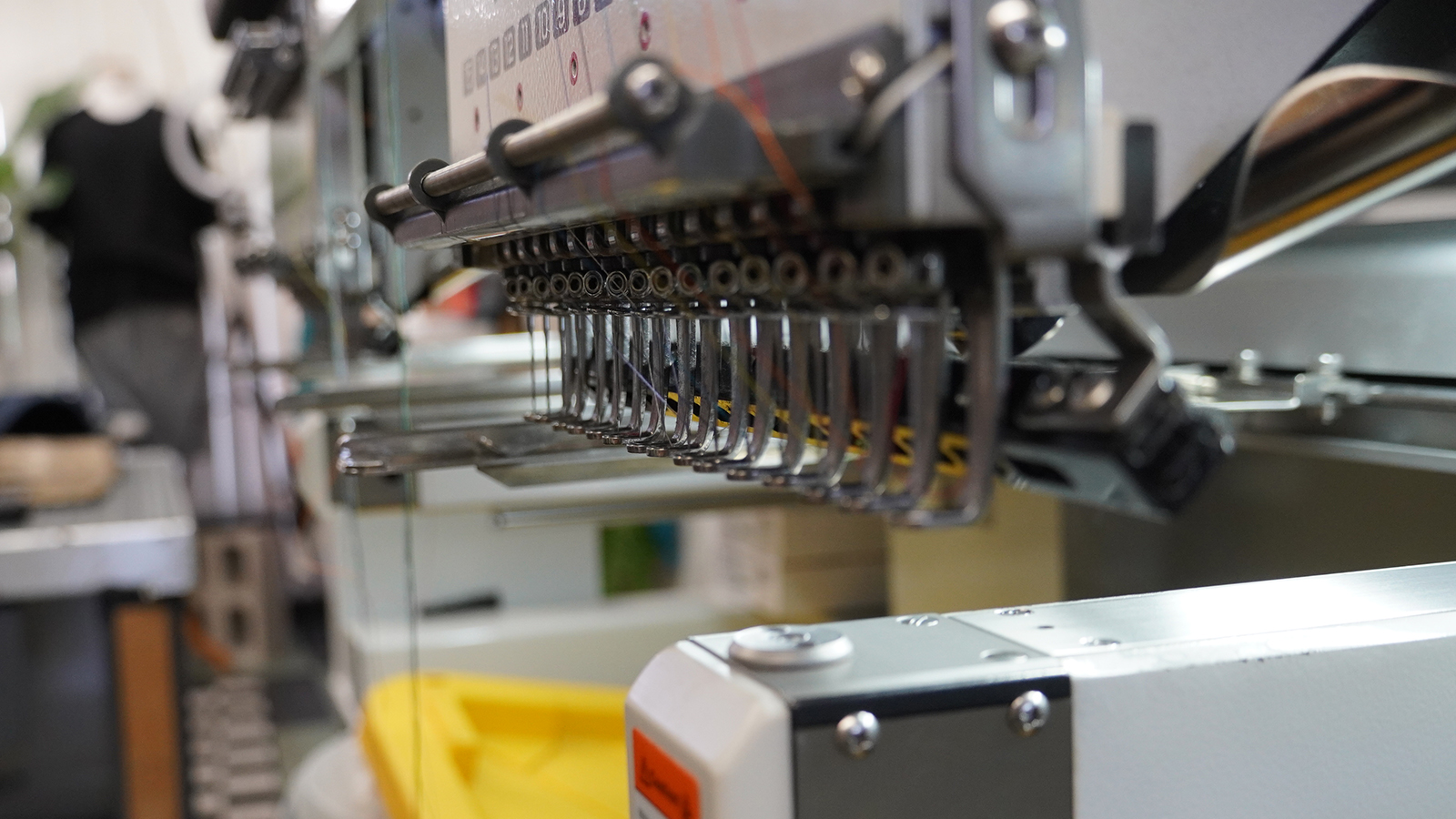
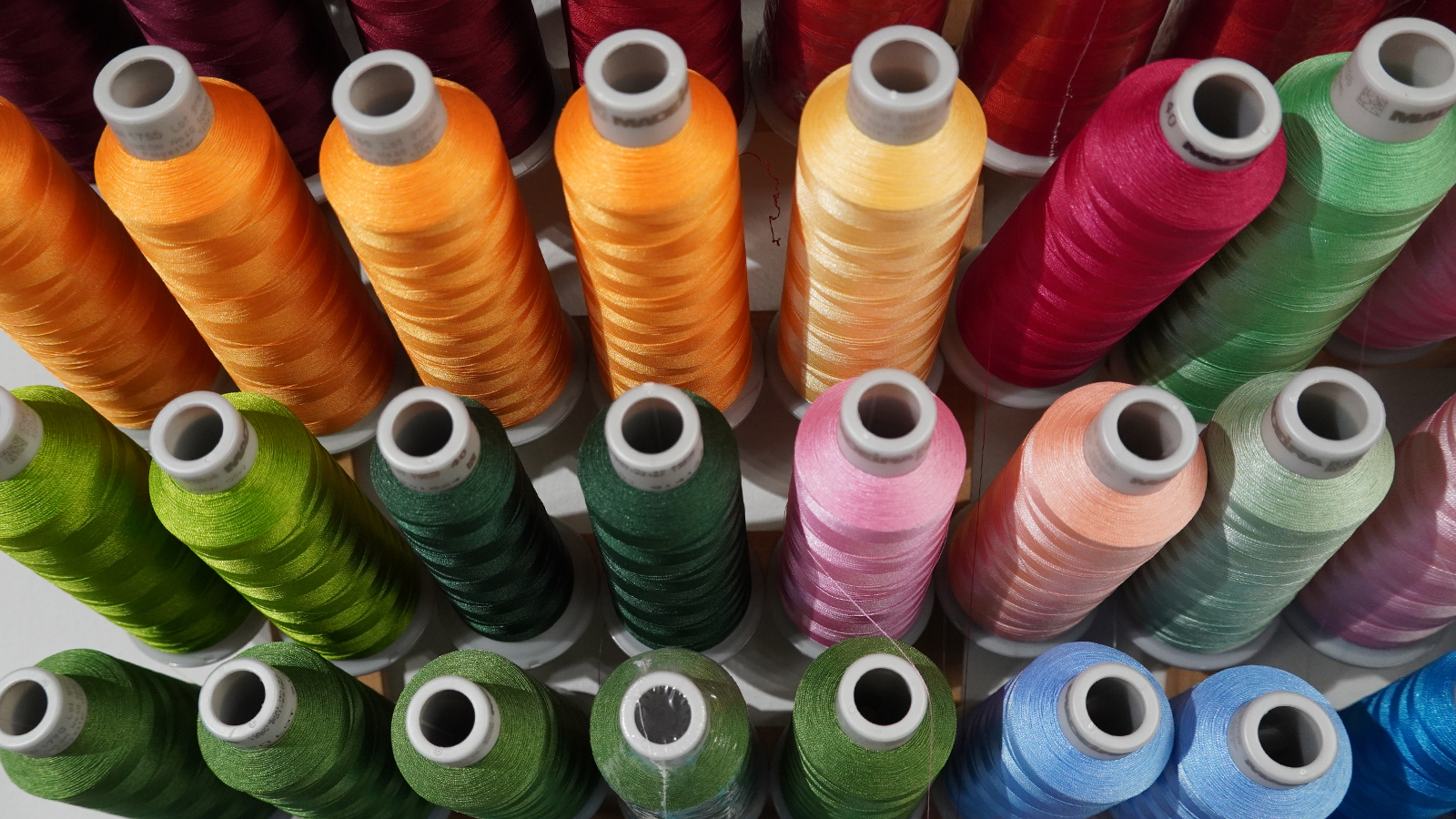
- Renting or buying a space: You need to find a space that meets your embroidery needs, such as a storefront, a home-based workshop, or an online platform. You need to consider factors such as size, location, accessibility, safety, and zoning regulations. You may also need to buy or rent equipment, such as embroidery machines, software, threads, and needles.
- Hiring and training employees: You need to recruit and train employees who can help you with embroidery tasks, such as digitizing, hooping, stitching, and finishing. You need to provide them with clear instructions, feedback, and incentives, and ensure that they follow your quality standards, deadlines, and customer service protocols.
- Developing a workflow: You need to develop a workflow that optimizes your embroidery processes, from receiving orders to delivering finished products. You need to establish clear roles, responsibilities, and timelines for each task, and use tools such as project management software, calendars, and checklists to track progress and avoid errors.
- Marketing and selling your products: You need to market and sell your embroidery products and services to your target audience, using various channels and tactics, such as social media, email marketing, search engine optimization, paid advertising, trade shows, and referrals. You need to create a compelling value proposition, showcase your portfolio, offer competitive pricing and discounts, and provide excellent customer service. You also need to measure and analyze your marketing and sales metrics, such as conversion rates, customer lifetime value, and return on investment, to optimize your strategies and improve your results.
Managing Your Embroidery Business
Managing an embroidery business requires ongoing attention, effort, and adaptation to changes and challenges. You need to monitor your financial performance, cash flow, inventory, and expenses, and make adjustments as needed. You also need to manage your employees, customers, suppliers, and partners, and maintain good relationships with them. You need to stay up-to-date with the latest embroidery trends, techniques, and technologies, and invest in your education and training accordingly. You also need to seek feedback from your customers, employees, and advisors, and use it to improve your products and services.
Conclusion
Embroidery business can be a profitable and fulfilling venture if you approach it with a clear vision, a solid plan, and a dedicated mindset. By understanding your market, your customers, and your competitors, and by offering high-quality products and services, excellent customer service, and effective marketing and sales strategies, you can build a successful embroidery business that stands out from the crowd. Remember to stay true to your mission and values, and to keep learning and improving every day.
FAQs
- How much does it cost to start an embroidery business? The cost of starting an embroidery business can vary depending on factors such as the type and size of your business, your location, your equipment, your supplies, your marketing budget, and your legal and accounting fees. However, you can expect to spend at least a few thousand dollars on embroidery machines, software, threads, and needles, as well as on rent, utilities, insurance, and other expenses.
- Do I need a degree or certification to start an embroidery business? No, you don't need a degree or certification to start an embroidery business, although having relevant education or training can be helpful. What matters more is your skills, creativity, and passion for embroidery, as well as your ability to learn and adapt to new challenges.
- How can I find customers for my embroidery business? You can find customers for your embroidery business by identifying your target audience, creating a strong brand identity and value proposition, building a professional website and social media presence, attending trade shows and events, offering discounts and promotions, and asking for referrals and reviews from satisfied customers.
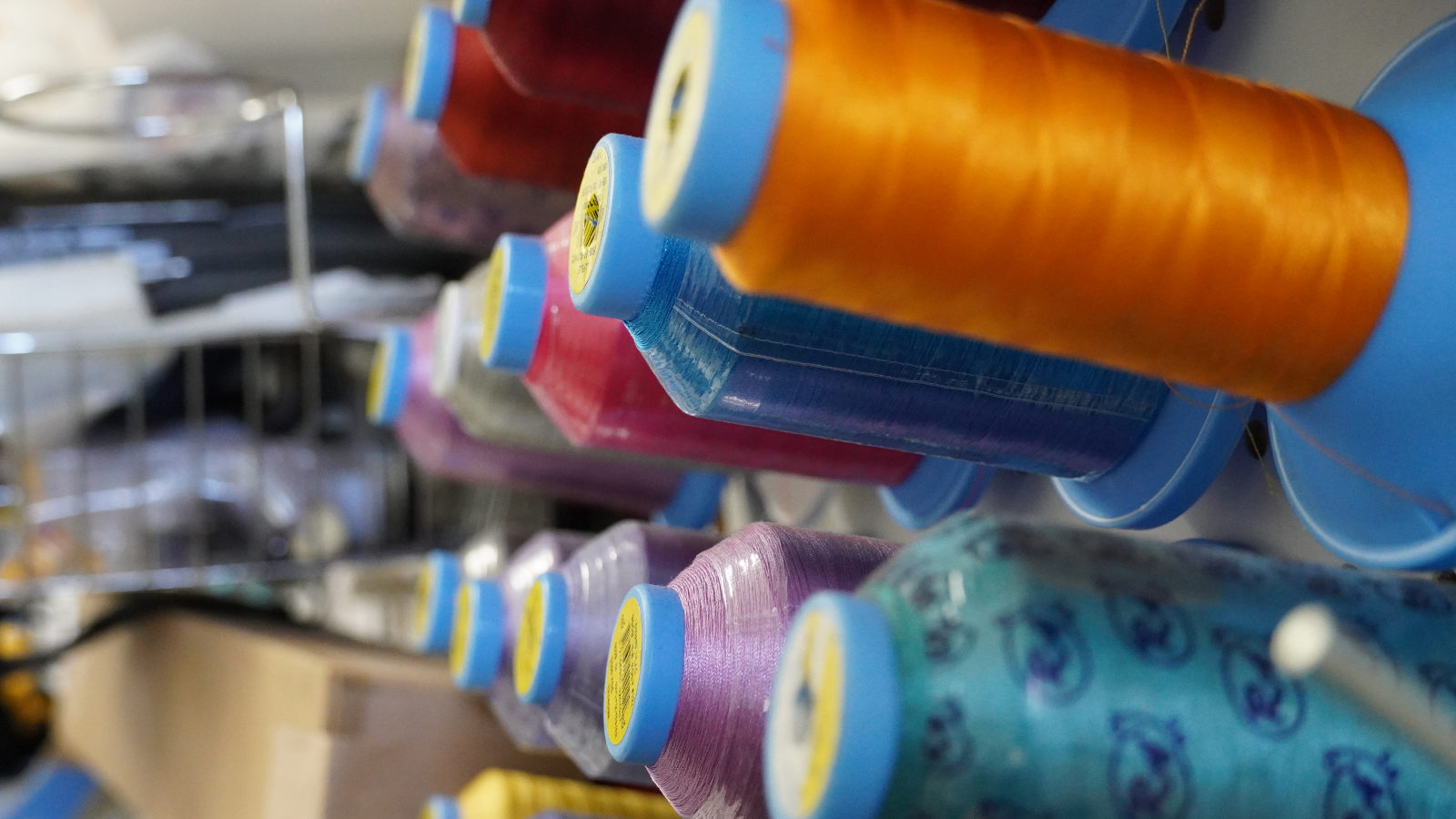
- How can I improve the quality of my embroidery products? You can improve the quality of your embroidery products by using high-quality materials, such as threads and fabrics, by calibrating your embroidery machines and software, by optimizing your hooping and stitching techniques, by testing and refining your designs, and by seeking feedback from your customers and employees.
- What are some common mistakes to avoid in an embroidery business? Some common mistakes to avoid in an embroidery business include underestimating the startup costs, overpromising and underdelivering to customers, neglecting marketing and sales efforts, ignoring legal and tax obligations, not investing in employee training and retention, and failing to innovate and adapt to changing trends and technologies.


